
Author: Coastal Ear, Nose & Throat

Medicare Cover & Hearing Aids. Here’s the Truth

If you’re wondering whether Medicare pays for hearing aids, the answer depends on the type of Medicare coverage you have.

Original Medicare (Parts A and B) generally does not cover hearing aids or routine hearing aid fittings. While this surprises many people, there are still several ways to make hearing care more affordable, including Medicare Advantage plans, financing options, and other financial assistance programs.

Here’s a closer look at what’s covered and what options may be available to you.

Original Medicare (Parts A and B)

Original Medicare does not pay for:

  • Hearing aids
  • Hearing aid fittings
  • Routine hearing aid exams

However, Medicare Part B may cover a diagnostic hearing exam if your physician determines it’s medically necessary to diagnose or treat a medical condition. These exams are different from hearing evaluations performed to select and fit hearing aids.

Although Original Medicare’s hearing benefits are limited, understanding what’s covered can help you plan for the next steps.

Medicare Advantage (Part C)

Many Medicare Advantage plans include hearing benefits that Original Medicare does not.

Depending on your specific plan, benefits may include:

  • Annual hearing exams
  • An allowance toward hearing aids
  • Discounts on hearing devices
  • Coverage for hearing aid fittings and follow-up care

Benefits vary by insurer and plan, and many require you to use in-network providers. Before purchasing hearing aids, review your plan documents or contact your insurance provider to understand your coverage and any out-of-pocket costs.

Other Ways to Save on Hearing Aids

Even if Medicare doesn’t cover your hearing aids, there are several resources that may help reduce the cost.

Health Savings Accounts (HSA) and Flexible Spending Accounts (FSA)

If you have an HSA or FSA, you can typically use those pre-tax funds to pay for eligible hearing-related expenses, including hearing aids.

Veterans Benefits

Veterans may qualify for hearing care and hearing aids through the Department of Veterans Affairs (VA), depending on eligibility requirements. If you’ve served in the military, it’s worth exploring the benefits available to you.

Financing Options

Many hearing care providers offer flexible payment plans that allow you to spread the cost of hearing aids over several months or years. Financing can make advanced hearing technology more accessible without requiring a large upfront payment.

Assistance Programs

Some nonprofit organizations, community groups, and state assistance programs help individuals who qualify afford hearing care. Availability varies by location, so it’s worth asking your hearing care provider about local resources.

Are Over-the-Counter Hearing Aids a Good Option?

Over-the-counter (OTC) hearing aids can be a more affordable solution for adults with perceived mild to moderate hearing loss. They are available without a prescription or hearing test.

While OTC devices cost less than prescription hearing aids, they also have limitations:

  • They are not customized to your hearing loss.
  • They typically don’t include professional fitting or programming.
  • They may not be appropriate for severe, asymmetric, or medically related hearing loss.

A comprehensive hearing evaluation can help determine whether an OTC device is likely to meet your needs or if professionally fitted hearing aids would provide better results.

Need Help Understanding Your Coverage?

Insurance benefits can be confusing, especially when every Medicare Advantage plan is different. Our team can help you review your insurance benefits, explain your coverage, and discuss financing or other payment options that fit your budget.

The first step is a comprehensive hearing evaluation. From there, we’ll help you explore the solutions that best match your hearing needs and financial goals.

This information is provided for educational purposes only and should not be considered medical or insurance advice. Coverage varies by plan and may change over time. Consult your insurance provider or hearing care professional for information specific to your situation.
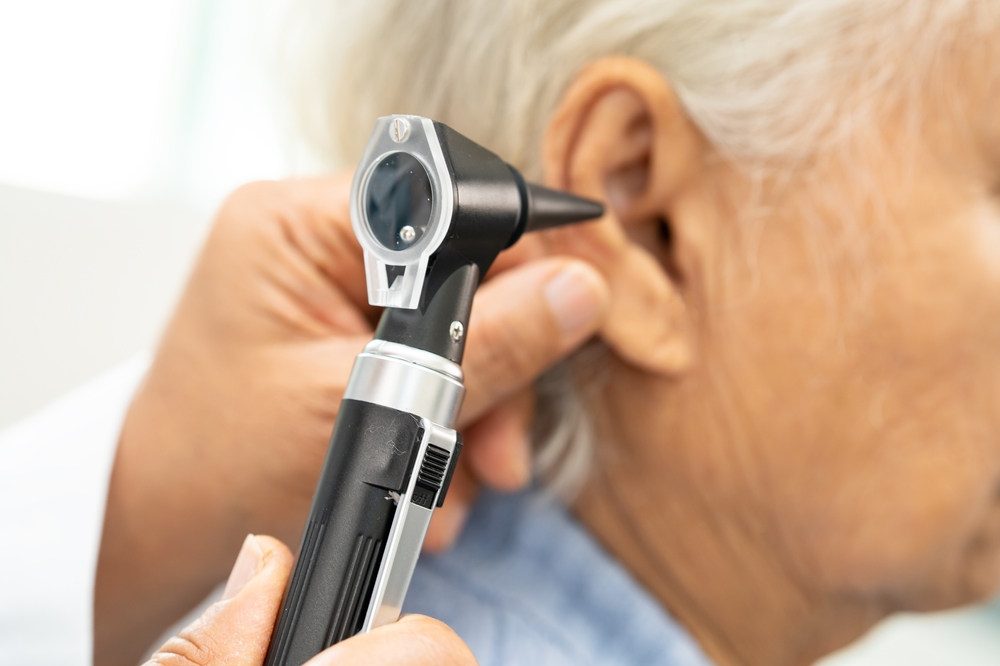
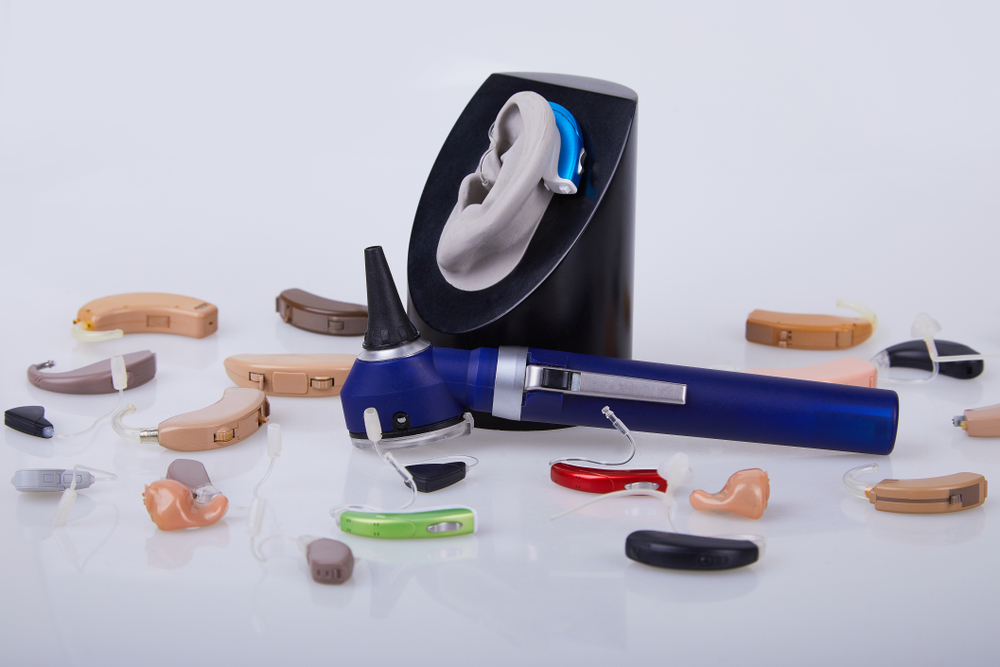
Modern Hearing Aids Are Smaller, Smarter, and More Comfortable Than Ever

For many people, the biggest obstacle to treating hearing loss isn’t the technology—it’s the image they have of hearing aids.

If you picture large, bulky devices that whistle, stand out, or constantly need adjusting, you’re not alone. Those designs shaped public perception for decades. Fortunately, hearing aid technology has changed dramatically.

Today’s hearing aids are discreet, lightweight, and packed with advanced features that make hearing easier in almost every environment. In many cases, they’re so small that other people won’t even notice you’re wearing one.

Hearing Aids Have Come a Long Way

Modern hearing aids look very different from the devices many people remember from years ago.

Advances in digital technology and miniaturization have made today’s hearing aids:

  • Smaller and lighter
  • More comfortable to wear all day
  • Better at reducing background noise
  • More natural sounding
  • Easier to operate
  • Available in styles that are nearly invisible

Instead of drawing attention, modern hearing aids are designed to blend seamlessly into your daily life.

Which Hearing Aid Style Is Right for You?

There isn’t a one-size-fits-all solution. Your hearing care professional will recommend a style based on your hearing loss, ear anatomy, lifestyle, and personal preferences.

Invisible-in-the-Canal (IIC)

These custom-made hearing aids fit deep inside the ear canal, making them virtually invisible during everyday conversations.

They’re an excellent option for many people with mild to moderate hearing loss who want the most discreet appearance possible.

Receiver-in-Canal (RIC)

Receiver-in-canal hearing aids are among today’s most popular styles.

A small device rests comfortably behind the ear while a thin, nearly invisible wire connects to a receiver inside the ear canal. They offer outstanding sound quality while remaining remarkably discreet.

Behind-the-Ear (BTE)

Behind-the-ear hearing aids have also evolved significantly.

Today’s models are much smaller and sleeker than earlier generations while providing powerful amplification for people with moderate to profound hearing loss.

They are durable, comfortable, and available in a variety of colors to blend naturally with hair or skin tone.

Today’s Hearing Aids Do Much More Than Amplify Sound

Modern hearing aids are sophisticated digital devices designed to help you hear clearly in a variety of listening situations.

Many models now include features such as:

  • Bluetooth connectivity for phone calls and music
  • Direct streaming from smartphones and televisions
  • Rechargeable batteries
  • Automatic sound adjustments
  • Speech enhancement technology
  • Background noise reduction
  • Smartphone apps for easy control and personalization

Instead of constantly adjusting your hearing aids, many devices automatically adapt as you move from a quiet room to a busy restaurant or outdoor setting.

Comfort Has Improved, Too

Another common misconception is that hearing aids are uncomfortable.

In reality, today’s devices are designed for all-day wear. Lightweight materials, custom fittings, and ergonomic designs make them far more comfortable than previous generations.

Most people find that after a short adjustment period, they barely notice they’re wearing them.

Don’t Let Old Perceptions Hold You Back

Many people delay hearing treatment because they worry hearing aids will make them look older or draw unwanted attention.

The opposite is often true.

Untreated hearing loss can make conversations difficult, leading people to ask others to repeat themselves, misunderstand discussions, or withdraw from social situations. Addressing hearing loss can improve communication, confidence, and overall quality of life.

Choosing hearing aids isn’t about admitting defeat—it’s about giving yourself the tools to stay connected to the people and activities you enjoy.

See the Difference for Yourself

The best way to understand how far hearing aid technology has come is to experience it firsthand.

During a comprehensive hearing evaluation, you’ll have the opportunity to learn about today’s hearing aid styles, compare features, and find a solution that fits your hearing needs, lifestyle, and budget.

Many first-time patients are surprised by just how small, comfortable, and capable modern hearing aids have become.

If you’ve been putting off treatment because of outdated assumptions, now may be the perfect time to discover what’s possible with today’s hearing technology.

This article is provided for educational purposes only and is not intended to replace professional medical advice. If you have concerns about your hearing, schedule an evaluation with a qualified hearing care professional.

Transforming Your Quality of Life With ENT Treatments

ENT specialist checking and treating ear, nose, and throat conditions

Should symptoms like chronic nasal blockage, snoring, hearing challenges, or repeated infections become your baseline, it is time to look for significant medical improvement. Beyond simply managing symptoms, expert ENT intervention aims to restore your communicative clarity, sleep depth, and general vitality.

A large number of patients are often astonished at the profound impact ENT services have on their daily existence. Such improvements are frequently the result of straightforward clinical plans that patients tolerate exceptionally well. The following overview examines how ENT experts assist patients in achieving peak physical function and comfort.

Advanced Allergy Management Outside of Standard Medications

Perennial and seasonal allergic triggers can affect far more than your sinuses.

Associated symptoms may involve:

  • Ongoing sinus congestion
  • Post-nasal drip
  • Sinus-related facial pain
  • Headaches
  • Generalized exhaustion
  • Disturbed rest patterns

Specialized ENT allergy protocols usually initiate with identifying specific triggers through testing before creating a customized plan. Options for relief often involve precision medications, specialized nasal treatments, lifestyle changes, or immunotherapy. By managing allergies successfully, most patients experience a reduction in infections alongside clearer breathing, rest, and daily stamina.

Sinus Interventions for Clearer Respiration

The presence of chronic sinusitis or regular sinus infections can severely compromise your daily functional capacity. If pharmaceutical options fail to provide relief, an ENT professional can determine if a minimally invasive procedure or surgical option is appropriate.

Some good news: modern sinus treatments are far less disruptive than many patients expect. The focus remains on facilitating healthy sinus drainage, reducing internal swelling, and preventing future infectious episodes. Many individuals experience a decrease in sinus pain, easier respiration, better rest, and fewer absences from work post-treatment.

Total Solutions and Hearing Aids for Auditory Health

Hearing loss can impact communication, relationships, work performance, and even emotional well-being. Because of this, ENT specialists collaborate with a professional audiologist to ensure precise diagnosis and effective treatment recommendations.

Keep in mind that today’s hearing technology is far more sophisticated than in past years. Contemporary devices provide discreet aesthetics and tailored settings while ensuring an easy, comfortable fit. Many people enjoy an immediate transformation in their ability to communicate effectively and engage confidently in social settings. Proactive hearing care helps reduce exhaustion while safeguarding your cognitive function as you age.

Managing Snoring and Sleep Issues for Better Recovery

The act of snoring can represent a more significant health issue than a mere noise complaint. Snoring may point to underlying respiratory challenges or sleep apnea that impact your vitality and systemic health. ENT specialists evaluate nasal, throat, and structural factors that contribute to snoring and sleep disruption.

Depending on the specific trigger, care may include pharmaceutical therapy, oral appliances, or minor clinical procedures. The resolution of snoring usually promotes deeper sleep cycles, better concentration, and enhanced health for the patient and their spouse.

Beginning the Year Right with Comprehensive ENT Care

At its heart, ENT care empowers individuals to breathe better, sleep soundly, hear clearly, and reclaim their quality of life.

If ongoing ENT symptoms are holding you back, an evaluation with an ENT specialist can be a meaningful first step toward relief. Call us today to secure your appointment time. With a personalized medical plan, even long-term issues can be resolved, helping you enjoy a future of comfort and auditory clarity.

The Advantages of Bluetooth Hearing Aids for a Connected Life

Bluetooth Hearing Aids

Connection defines the modern world, manifesting in social engagement, information access, or hearing-based interactions. Maintaining a connected lifestyle can be a struggle for people experiencing auditory decline, especially if they depend on older devices that emphasize loudness over sound quality.

Bluetooth hearing aids are changing that. By pairing modern connectivity tools with simple operation, they offer an intuitive method to hear and interact with the world around you.

The Basics of Bluetooth Technology

Essentially, Bluetooth technology establishes a digital bridge that enables device-to-device interaction via wireless signals. It is the same technology that syncs your phone to your car’s audio or connects your mobile device to wireless speakers.

Bluetooth technology in hearing aids follows the same principles while delivering life-changing personal perks. Tiny computer chips inside the hearing aids allow them to link directly to other Bluetooth-enabled devices like your smartphone, TV, tablet, or computer.

With this advancement, audio is not required to transmit solely through the environment to reach you. The sound is transmitted directly into the hearing aids, offering balanced and clear audio optimized for your hearing profile.

Older hearing aids centered on making things louder. Modern Bluetooth models are constructed with a focus on crisp audio, seamless connection, and personal adjustment.

Immediate Benefits of Bluetooth Technology

Bluetooth hearing aids do more than improve how you hear, enhancing your daily quality of life. Below are several of the most sought-after features and advantages:

  • Experience the ease of hands-free phone calls and exceptional sound quality.
  • Wireless transmission for entertainment, including music, podcasts, and television programs.
  • Improved speech tracking in crowded or loud environments.
  • The power to customize your settings using an user-friendly app.
  • Remote adjustments that allow your hearing professional to fine-tune your settings.

Optimized for All-Day Wear and Social Connection

Because Bluetooth hearing aids have the ability to contribute significantly to the auditory journey, most users utilize them more consistently throughout the day. Regularly wearing your devices throughout the day helps support brain wellness and improves your overall quality of life.

Bluetooth technology is a powerful tool for maintaining your autonomy. Whether joining digital gatherings, walking with audio entertainment, or socializing at dinner, you can stay fully involved. Tuning into these moments is easier than ever with digital connectivity.

Discover the Potential of Bluetooth Technology

If you haven’t updated your devices in several years, you might be missing out on these latest advancements. Modern Bluetooth devices are small, smart, and flexible—designed to integrate perfectly into your lifestyle.

Reach out to our staff to arrange a consultation and learn how Bluetooth hearing aids can restore your confidence and connection.

Winter Allergies or a Cold? How to Tell What’s Causing Your Symptoms

When your nose won’t stop running and your head feels congested, it’s easy to blame yet another winter cold. But in many cases, lingering winter symptoms are in fact caused by allergies. Knowing the difference can help you choose the right treatment and know when it’s time to see an ENT specialist.  Continue reading “Winter Allergies or a Cold? How to Tell What’s Causing Your Symptoms”

When Ear Pain Doesn’t Mean an Ear Infection

Ear pain is often assumed to mean one thing: an ear infection. And sometimes, that’s true. But in many cases (especially in adults), ear pain isn’t actually coming from the ear. 

This type of discomfort is known as referred ear pain. Understanding it can help you know when to seek further evaluation and which specialist may be best equipped to help. 

Why Ear Pain Isn’t Always an Ear Problem

The ear shares nerve pathways with several nearby structures, including the jaw, throat, teeth, and neck. Because of this overlap, pain originating elsewhere can “show up” as ear pain — even when the ear itself looks completely normal on an exam.

That’s one reason why persistent ear pain without signs of infection should never be ignored or brushed off.

Common Causes of Referred Ear Pain

Here are some of the most frequent non-ear causes of ear pain:

Jaw (TMJ) Disorders

Issues with the temporomandibular joint (TMJ), which connects the jaw to your skull, are a leading cause of referred ear pain. Teeth grinding, jaw clenching, arthritis, or misalignment can all cause pain that feels deep inside the ear. It often worsens with chewing or jaw movement.

Dental Problems

Tooth decay, abscesses, impacted wisdom teeth, or gum disease can send pain signals to the ear. Dental-related ear pain may be intermittent or sharp and is sometimes triggered by hot or cold foods.

Throat and Tonsil Issues

Conditions affecting the throat, like tonsillitis, throat infections, acid reflux, or even muscle strain, can cause ear pain, particularly when swallowing.

Neck and Muscle Strain

Tight or strained muscles in the neck and upper spine can also refer pain to the ear, especially in people with poor posture or chronic tension.

When Ear Pain Deserves Closer Attention

While many causes of ear pain are benign, certain symptoms should prompt evaluation by a medical professional, especially an ENT (ear, nose, and throat) specialist.

Red flags include:

  • Ear pain lasting more than a few days without improvement
  • Pain with no signs of infection (no fever, drainage, or hearing changes)
  • Pain that worsens over time
  • Ear pain accompanied by difficulty swallowing, voice changes, or jaw locking
  • Unexplained ear pain in adults, particularly if persistent or one-sided

These symptoms don’t necessarily mean something serious, but the cause should be identified.

How an ENT Can Help With Ear Pain

ENT specialists are uniquely trained to evaluate ear pain in context. They assess not only the ear, but also the jaw, throat, nasal passages, and surrounding structures to determine where the pain is truly coming from.

Rather than focusing on a single symptom, an ENT looks at the whole picture, helping guide the appropriate next steps. That could mean treatment, referral to another specialist, or critical insight into your current condition.

Is Your Ear Pain Really an Infection?

Ear pain isn’t always an ear infection. When discomfort persists, keeps returning, or doesn’t respond to typical treatments, it may be a signal from somewhere else entirely.

Understanding referred ear pain can help you seek appropriate care sooner and avoid unnecessary treatments that don’t address the root cause. If you’re unsure what’s causing your ear pain, a professional evaluation can provide clarity and peace of mind. Call our team of ENT specialists at Coastal Ear, Nose & Throat today to get to the bottom of what’s happening.

The Link Between Untreated Allergies and Chronic Sinusitis

Seasonal allergies are often dismissed as a nuisance: something you “power through” with tissues and over-the-counter meds. But when allergies go untreated, they can do more than cause sneezing and itchy eyes. Over time, they can play a significant role in the development of chronic sinusitis.

Understanding this connection helps explain why some people experience persistent sinus problems that don’t fully resolve. And it could possibly help you get to the root of your sinus issues and finally find relief. Continue reading “The Link Between Untreated Allergies and Chronic Sinusitis”

Understanding Chronic Nasal Congestion and How It’s Treated

A stuffy nose now and then is normal, especially during allergy season or when you have a cold. But if your nose always feels blocked or you’re constantly reaching for tissues, you may be dealing with chronic nasal congestion. This ongoing stuffiness and inability to breathe normally can interfere with sleep, concentration, and overall quality of life. The good news is that it’s generally treatable. Continue reading “Understanding Chronic Nasal Congestion and How It’s Treated”

The Connection Between Sinus Health and Sleep Quality

Quality sleep is vital for our general health and our cognitive health. This is true regardless of your age from baby to senior. Anything that interferes with your sleep, especially if it is consistent, is detrimental to your quality of life. You may not know about the connection between sinus health and sleep quality, but keep reading to find out.

Continue reading “The Connection Between Sinus Health and Sleep Quality”

What Causes a Constant Runny Nose: Understanding Rhinorrhea

Many young children always seem to have a runny nose, and moms are often there with tissues to keep things under control. But as an adult, a constant runny nose can be more than just an annoyance—it can be embarrassing. If you’re constantly reaching for tissues, you may be dealing with a condition called rhinorrhea. Here’s a closer look at what causes it.

Continue reading “What Causes a Constant Runny Nose: Understanding Rhinorrhea”