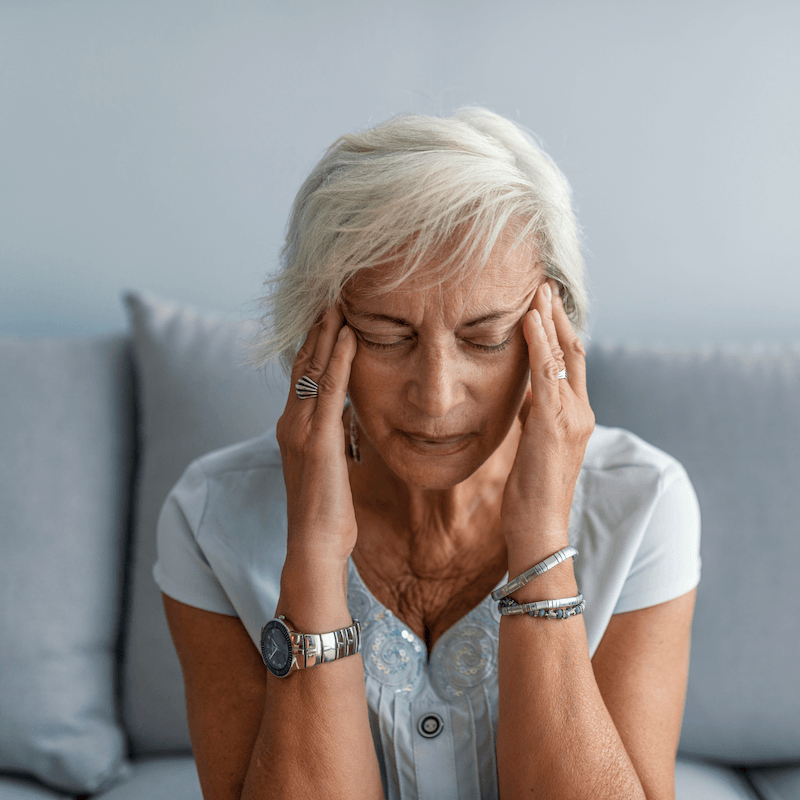
Migraines don’t always present as severe headaches; in fact, a vestibular migraine mainly affects balance, motion perception, and spatial orientation. Our ENT practice evaluates recurrent dizziness to diagnose whether a vestibular migraine or an alternative balance disorder is the primary cause. To find the right migraine treatment, it’s important to recognize the symptoms and communicate them to your doctor.
Vestibular vs. Regular Migraines: What’s the Difference?
While vestibular migraine and conventional migraine share an underlying neurovascular origin, their predominant clinical presentations diverge. Conventional migraine episodes standardly present with moderate to severe pulsating head pain that affects one side and worsens with activity. Associated features like nausea, pronounced light and sound sensitivity, and visual aura commonly accompany standard head pain.
In contrast, vestibular migraine mainly induces rotational vertigo, general dizziness, postural instability, and motion intolerance. Headache may occur, but it is not required during every vestibular episode. Flare-ups can feature an illusory sensation of internal or environmental spinning, head-movement-induced dizziness, and visual vertigo in crowded spaces.
Standard clinical diagnostic guidelines define vestibular episodes as lasting anywhere from five minutes up to 72 hours. Presentations frequently shift from episode to episode, which can obscure the underlying connection to migraine disease.
What Disorders Cause Vestibular Migraines?
Medical science recognizes that no single underlying disorder functions as the sole cause of vestibular migraine. The pathology seems to stem from shared central neural networks that process both vascular migraine signals and peripheral balance inputs. Genetic predisposition to migraines combined with a documented history of motion sensitivity markedly heightens susceptibility.
Typical episode triggers encompass the following:
- Fluctuating sleep cycles or significant sleep deficits
- Missed meals, fluctuating blood glucose, or systemic dehydration
- Severe emotional stress or the physical transition period immediately following chronic stress
- Menstrual cycle fluctuations or other physiological endocrine changes
- High-contrast visual patterns, strobe effects, or glaring light environments
- Prolonged travel, turbulent physical motion, or rapid digital screen scrolling
- Alcohol intake, fermented foods, cured meats, or idiosyncratic dietary sensitivities
- Ambient weather shifts, storm fronts, or crowded environments causing sensory overload
What Are the Symptoms of Vestibular vs. Regular Migraines?
Typical migraine attacks are often recognized by headache, but migraine symptoms extend beyond pain. A person may experience nausea, vomiting, visual aura, fatigue, brain fog, neck discomfort, or sensitivity to light, sound, and smell.
Symptoms associated with vestibular migraine often encompass:
- True rotational vertigo or generalized non-rotational vertigo sensations
- Persistent postural unsteadiness, gait instability, or loss of balance
- Cervicogenic or vestibular dizziness exacerbated by head motion
- Gastrointestinal nausea provoked by physical movement or riding in vehicles
- Sensory intolerance triggered by scrolling monitors, bustling public crowds, oncoming traffic, or geometric lines
- A sensation of rocking, tilting, floating, or being pulled
- Heightened photophobia, phonophobia, or generalized visual sensitivity
- Diffuse head pressure, orbital tension, or characteristic throbbing migraine pain
- Temporary ear pressure, fullness, or ringing
The clinical timeframe, duration of dizziness, and identified triggers are vital for distinguishing vestibular migraine from other vestibular etiologies. Newly developing dizziness linked to facial numbness, extremity weakness, speech impairment, double vision, syncope, or an inability to walk demands immediate emergency attention.
The Coexistence of Vestibular Migraine and Typical Migraine Episodes
Yes. True rotational vertigo and classic migraine head pain can develop within the identical clinical attack. Dizziness might manifest as a premonitory symptom before head pain, peak while the headache is active, endure following pain resolution, or strike alone. Over years of disease progression, individuals frequently oscillate between headache-heavy attacks and balance-centric vestibular events.
An episode of vertigo does not have to feature head pain to be classified within the migraine spectrum. Maintaining a dedicated symptom journal helps track chronological correlations that are easily overlooked during clinical consultations. Record the timing and duration of dizziness, headache features, sensory sensitivity, menstrual cycle, sleep, meals, possible triggers, medications, and response to treatment. These objective records provide invaluable diagnostic clarity during your comprehensive evaluation.
Diagnostic Workup and Clinical Criteria for Vestibular Migraines
Diagnosing vestibular migraine cannot be accomplished via a single diagnostic blood test, radiologic scan, or balance assessment. Diagnostic evaluation initiates with a structured examination of symptom chronology and a confirmed history of migraine with or without aura. Consensus clinical guidelines specify at least five moderate to severe vestibular episodes spanning five minutes to 72 hours, accompanied by migraine characteristics in at least half of the events.
We execute an exhaustive diagnostic series involving neurological testing, videonystagmography, direct ear examination, hearing testing, and balance assessments. Tailored to your clinical needs, diagnostic protocols can incorporate pure-tone audiograms, positional testing, specialized vestibular studies, or MRI scans. Such objective tests are crucial to differentiate vestibular migraine from other balance disorders presenting with similar symptoms. A formal diagnosis of vestibular migraine is established only when clinical criteria are satisfied and no alternative condition provides a better explanation.
Treatment Strategies: Managing Vestibular Migraines Effectively
Treatment is individualized according to attack frequency, severity, associated headache, other health conditions, and medication risks. Most individuals find the greatest relief through an integrated regimen combining daily preventive protocols with an acute rescue plan.
We help build a customized treatment plan, which may include:
- Establishing structured daily routines for sleep, timely meals, fluid intake, and low-impact cardiovascular exercise
- Isolating and minimizing contact with consistent environmental or dietary triggers
- Implementing evidence-based stress-reduction protocols, biofeedback, or behavioral therapies
- Prescribing fast-acting antiemetics to manage acute nausea and autonomic symptoms
- Measured, temporary use of vestibular suppressant pharmaceuticals during severe vertigo crises
- Prophylactic regimens involving beta-blockers, calcium channel blockers, topiramate, tricyclic antidepressants, or CGRP inhibitors
- Customized vestibular rehabilitation therapy to address persistent disequilibrium and visual motion intolerance
Prescription vestibular suppressants must be used with caution, as continuous dosing induces significant sedation and inhibits central vestibular compensation. Medication choices should be made with us rather than borrowed from another person’s migraine plan. Achieving optimal symptom control typically demands careful dose titration and continuous symptom tracking over time.
Request a Clinical Evaluation for Vestibular Migraine
If ongoing vertigo attacks, motion hypersensitivity, or gait instability compromise your daily functioning, schedule an assessment with our clinic today. Your comprehensive consultation entails a thorough evaluation of migraine history, medical background, and individual goals, using targeted diagnostics to isolate vestibular migraine from BPPV, Ménière’s disease, or other vestibular etiologies. Get in touch with our ENT clinic now to request your vestibular migraine appointment.